
By Nic Anderson
Head of Wolverhampton Grammar School
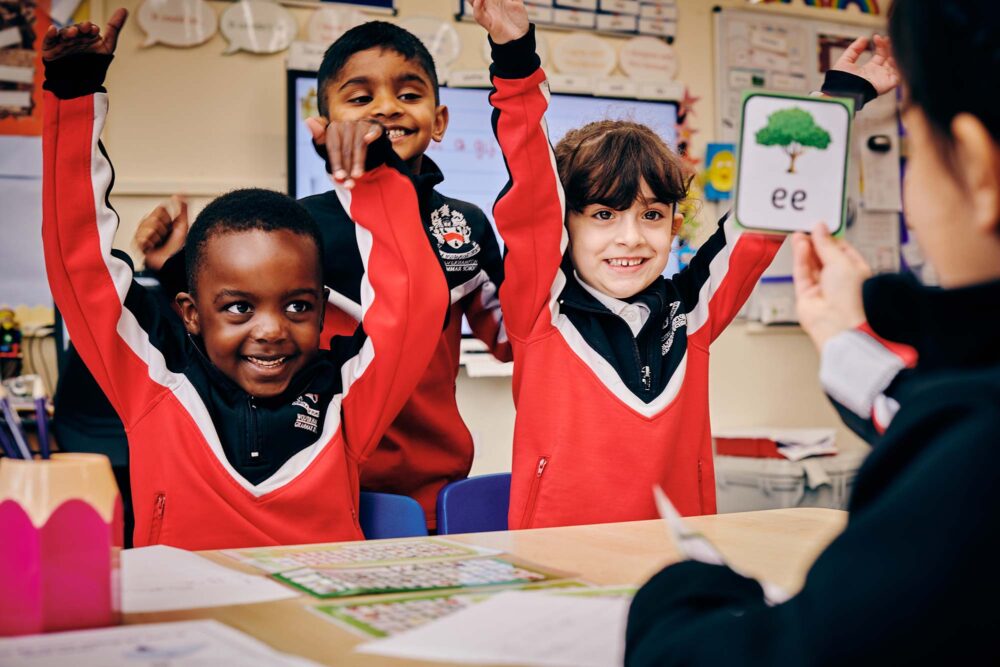
Walk into any great classroom and you will notice something unmistakable: the atmosphere feels different. There is an energy, purposeful, warm, quietly determined, that doesn’t come from décor or resources, but from the teacher at its centre.
Great teachers leave a mark that lingers long after lessons end. Their influence shapes how young people think, relate, aspire, and navigate the world. Teaching has never been simply a career. It is, at its core, a vocation. Careers are often chosen for progression or status; a vocation aligns with who you are.
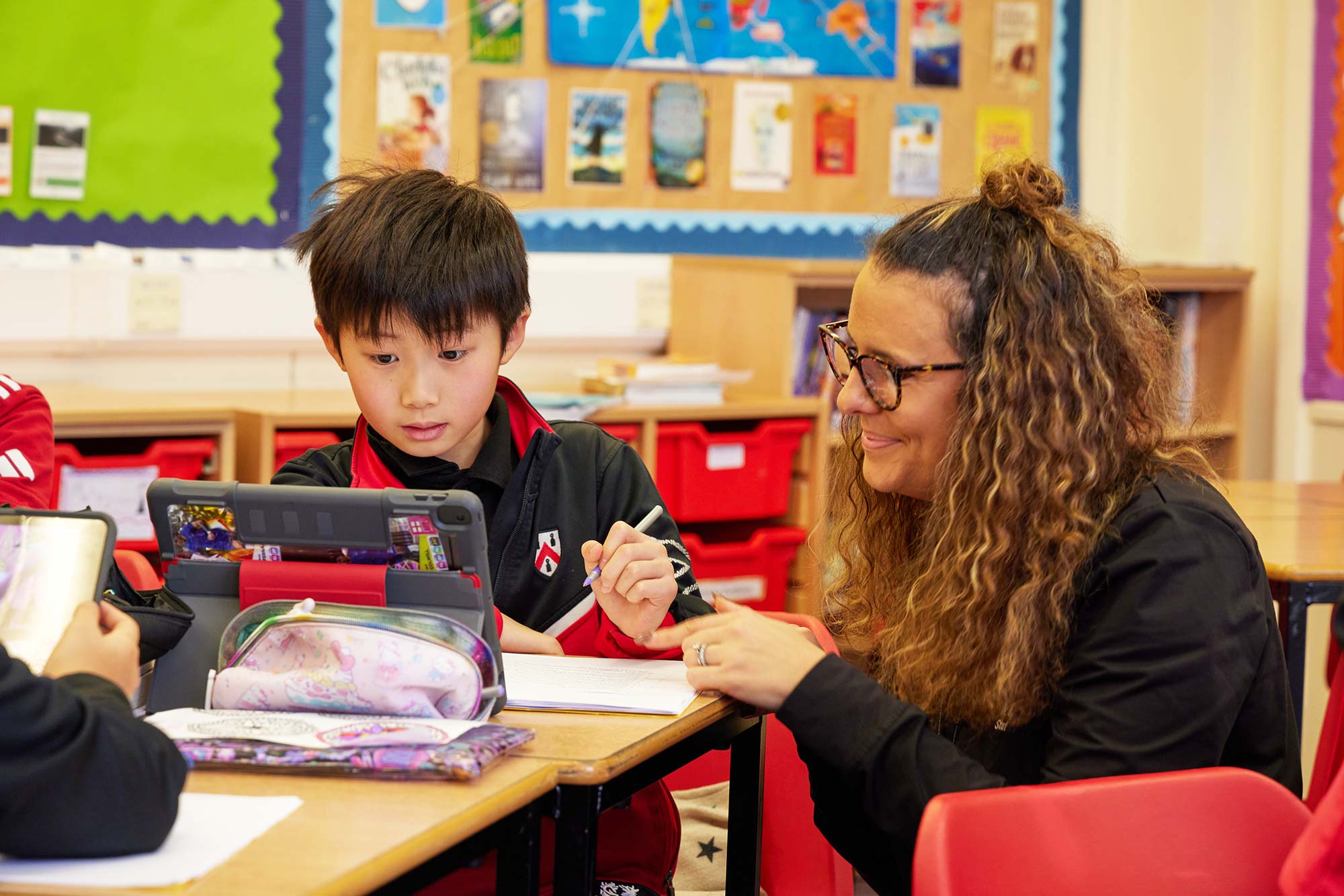
Teaching demands more than technical proficiency. It requires emotional stamina, curiosity, moral purpose, and a belief in potential, especially when a child cannot yet see it in themselves. Teachers don’t just deliver content; they build relationships grounded in trust and hope. They teach algebra and empathy, chemistry and confidence, geography and grit.
No amount of training can manufacture a genuine respect for young people or the instinct to champion them. These qualities come from an internal compass that points, unprompted, toward service.


Teaching is not for everyone, and that is a strength. Those who thrive believe deeply that young people deserve meaningful investment and approach their work with steadiness, even under pressure. They see teaching as a relational practice built on connection rather than a transactional exchange. Above all, they understand the influence they hold and carry that responsibility with intention and care.
By contrast, those motivated by convenience, job security, or authority will struggle. Children sense authenticity and respond, even subconsciously, to whether the adult in front of them genuinely cares. Teaching is not a fallback. It shapes lives, alters trajectories, and forms the foundation of every other profession. Only those who recognise that responsibility should step into the role.
Despite its significance, teaching is still underestimated. Society entrusts teachers with safeguarding, diagnosing learning needs, managing behaviour, and maintaining academic rigour, yet often fails to honour the complexity of that work. Teaching demands mastery of subject knowledge, pedagogy, behaviour psychology, assessment literacy, safeguarding, and the ability to apply all of these simultaneously in a dynamic classroom.
Few professions require such constant multitasking under public scrutiny. Yet the narrative remains simplistic: long holidays, short days, “soft skills.” The truth is this: if teaching stopped, society would collapse within a generation.


Recognition must rise to match reality. Recruitment pipelines are weakening; retention is faltering as workload and misconceptions push educators away. If this continues, we may face a future without enough teachers.
And here is the uncomfortable truth: increasing salaries alone will not fix this. Fair pay matters, but it is not the primary motivator for those who see teaching as a calling. You cannot buy vocation, passion, or purpose.
A thriving education system depends on deep respect for the profession. Teachers must be trusted in their judgement, given time to do their jobs well, and protected from unnecessary administrative burdens. Schools need supportive, collaborative cultures that prioritise wellbeing, reinforced by a societal narrative that celebrates the complexity and impact of teaching.
Graduates need to hear that teaching is not a backup but a prestigious, intellectually demanding, deeply meaningful profession, one that challenges, rewards, and allows them to contribute something profound. A great teacher sparks curiosity rather than simply delivering content, listens as deeply as they speak, and recognises talent long before it becomes visible. Their impact is not measured in exercise books or examination results but in the character, confidence, and decisions shaped many years later. A great teacher changes the way a young person sees themselves, and once that shifts, it never returns to what it was before.